
Rigid Rail Lifeline
Zero deflection, maximum fall clearance optimization
A rigid system with no deflection under load: the engineering answer for operations where the fall clearance zone is restricted and a flexible system simply does not fit the calculation.
Custom design, fixed or mobile base, with embedded rolling trolley and electrical, hydraulic and automation resources as the operation demands. NR-35 compliant.
deflection under fall
embedded rolling trolley
base configuration
design to maintenance
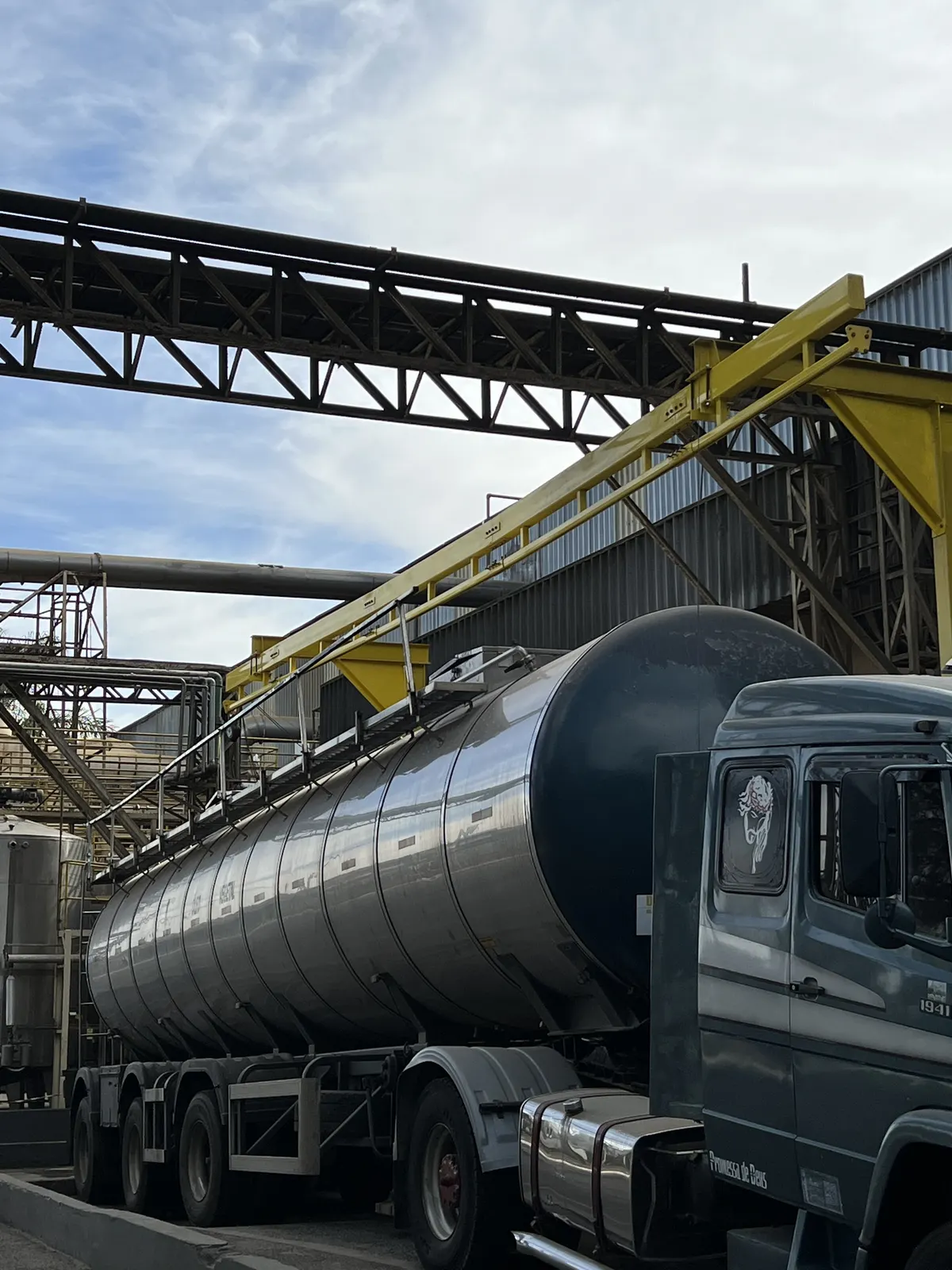
When cable deflection cancels out the protection
In flexible lifelines, cable deflection during a fall adds meters to the distance the worker travels. In operations with restricted fall clearance, such as truck and railcar loading, docks, mezzanines and low-ceiling warehouses, that deflection can mean the worker hits the ground or an obstacle before the system completes the arrest.
An installed system whose fall calculation does not close is the worst possible combination for the EHS manager.
False sense of security
The team works connected to a system whose fall calculation does not close for that geometry. The system is formally installed but technically ineffective.
Liability in case of an accident
Technical forensics identifies the undersized fall clearance zone and transfers the responsibility entirely to the company.
Non-compliance with NR-35
The standard requires a protection system consistent with the activity's risk analysis, including the fall distance calculation.
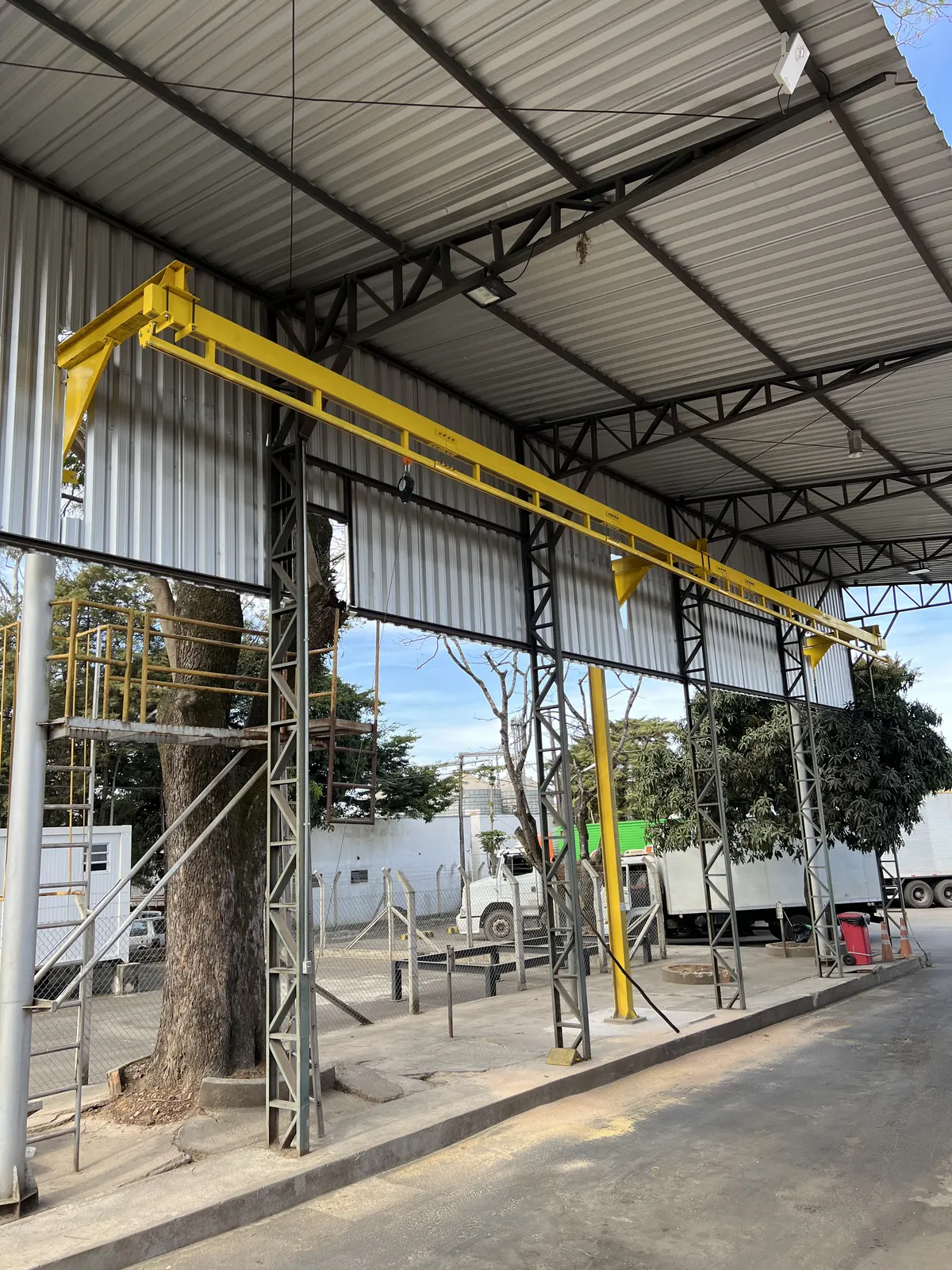
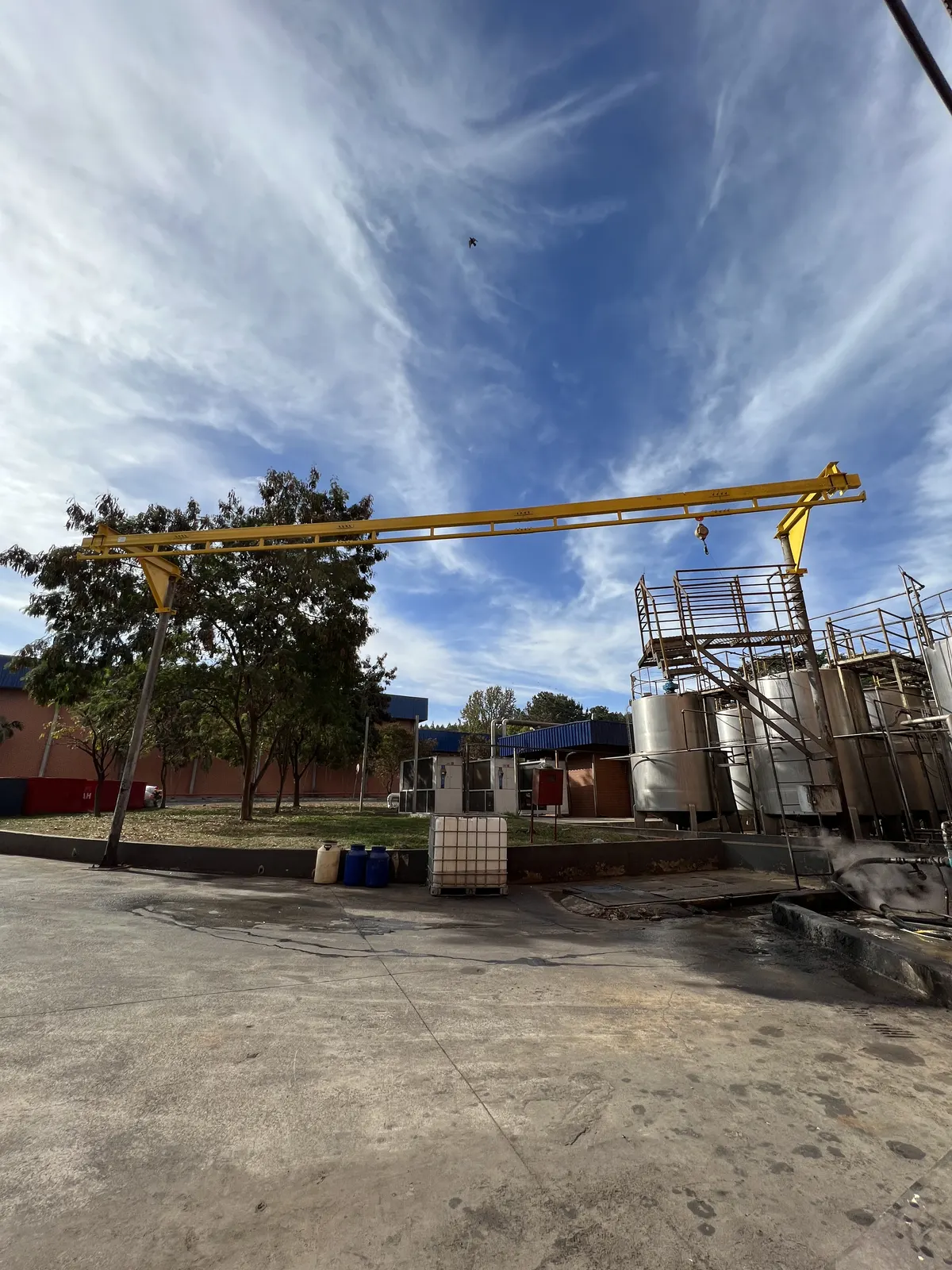
Rigid rail with embedded rolling trolley
Anchor designs, manufactures and installs rigid rail lifelines: systems that, having no deflection under load, are intrinsically safer and drastically reduce the required fall clearance zone.
Zero deflection, lean fall calculation
With no cable to deflect, the total fall distance comes down to the SRL's travel and the absorber. This enables effective protection under low ceilings and above trucks, where flexible systems fail the calculation.
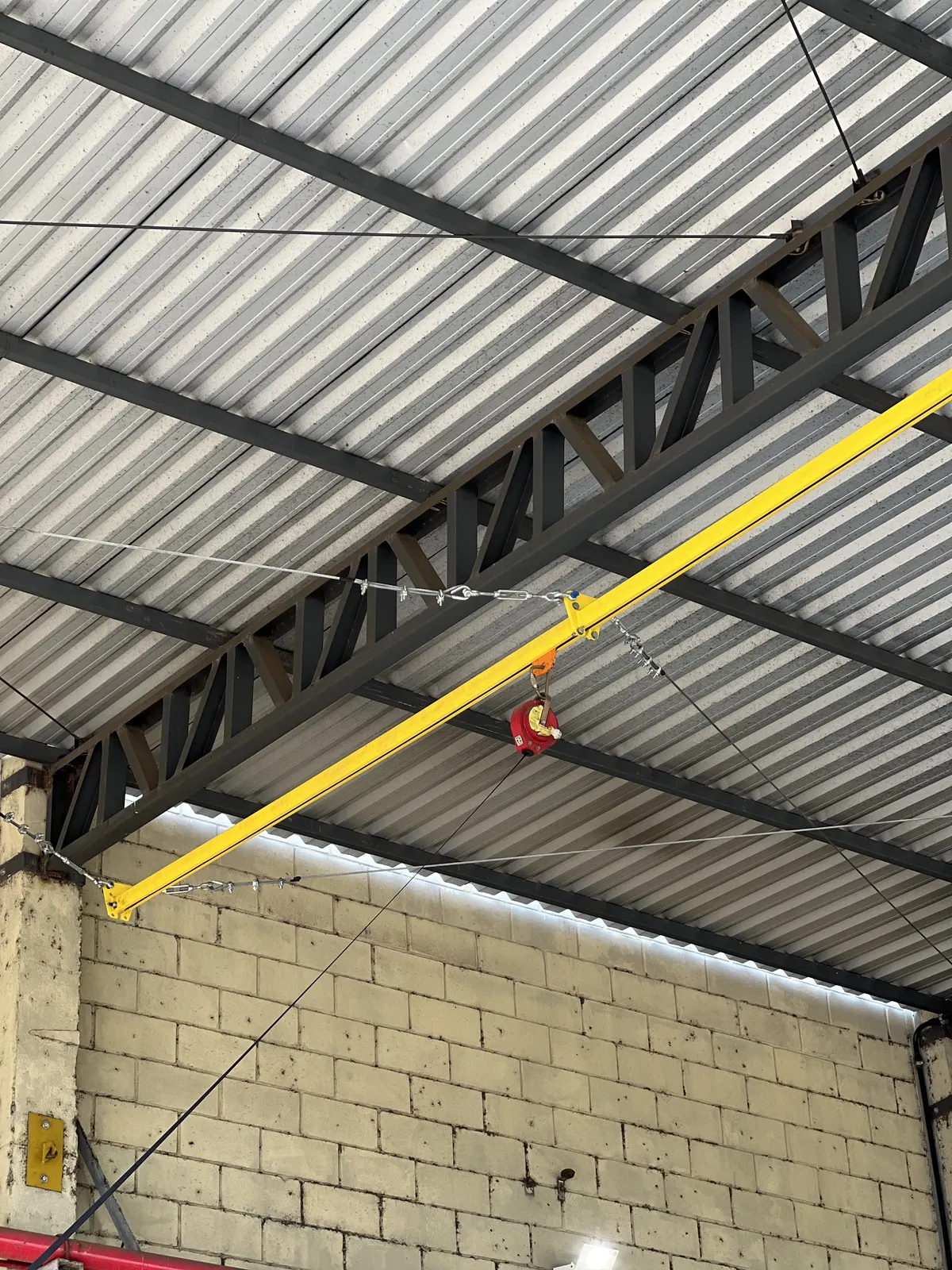
Embedded rolling trolley
The trolley runs embedded in the rail profile, protected from impacts, dust and weather. The result is smooth movement for the user and low maintenance cost over the system's life.
Over-the-head for loading and unloading
Configured above the worker's head, the anchor point follows the user along the entire length of the truck or railcar, with no pendulum effect.
Fixed or mobile base, with automation
Each system is designed for the client's specific demand and can integrate electrical, hydraulic and automation resources, a capability sustained by Anchor's multidisciplinary R&D team.
Engineering differentials
What sustains the system's performance, verifiable in design and in the field.
- Zero deflection under load: maximum optimization of the fall clearance zone
- Rolling trolley embedded in the profile, protected and low-maintenance
- 100% custom design, fixed or mobile base, sized for the operation's real geometry
- Integration of electrical, hydraulic and automation resources when the application requires
- Solution field-tested in our own laboratory, unique in Brazil
- Turn-key supply: field survey, mechanical, civil and electrical design, manufacturing in BH/MG, assembly and maintenance
- Inspection and validation of existing systems across the entire Brazilian territory
- Born from the MG Cinto group, with integrated specification of PPE compatible with the system
Specifications and applications
System parameters, in the specification your risk analysis will require.
| Parameter | Anchor specification |
|---|---|
| System type | Rigid rail lifeline, over-the-head configuration or per design |
| Deflection under load | None: fall distance limited to the SRL and absorber assembly |
| Trolley | Rolling type, embedded in the rail profile |
| Base configurations | Fixed or mobile, per the operation's demand |
| Integrable resources | Electrical, hydraulic and automation |
| Typical applications | Truck and railcar loading and unloading, docks, mezzanines, low-clearance platforms, maintenance centers |
| Indicated scenario | Operations with restricted fall clearance zone |
| Maintenance | Low cost, with inspection plan by Anchor itself |
| Reference standard | NR-35, Work at Height (Brazil) |
| Supply model | Turn-key: scope, design, manufacturing, assembly and maintenance |
Frequently asked questions
Why is the rigid rail safer than a cable lifeline?
Because there is no deflection: in a flexible cable, the sag formed during the fall increases the distance the worker travels; in the rigid rail that portion is eliminated and the fall is arrested over a much shorter path. In environments with little free height, that difference determines whether the system works or not.
Can the system be installed on an existing structure or do I need a new one?
Both situations are covered. Anchor's field survey evaluates the existing structure; when necessary, our own engineering designs, manufactures and assembles the supporting steel structure, already conceived per safety standards to receive the lifeline.
Does a rigid rail require more maintenance than cable?
No, the maintenance cost is low. The rolling trolley is embedded in the profile, protected from impacts and contamination, and the system does not need the re-tensioning care typical of flexible lines. Anchor performs periodic inspections across the entire Brazilian territory.
Can the system be automated or motorized?
Yes. The design can incorporate electrical, hydraulic and automation resources, including mobile bases, as the operation requires. This is one of the permanent R&D fronts of Anchor's multidisciplinary engineering.
Size the right system for your fall clearance
Tell us the activity, the span to protect and the free height available. Our engineering team performs the field survey, runs the fall clearance calculation and delivers the rigid rail system design suited to your operation, with manufacturing, assembly and a maintenance plan.